How Team Sky is transforming waste management in catering
Across 10 Sky locations in the UK and Ireland, our team at BaxterStorey serves thousands of customers through bustling restaurants, coffee bars and hospitality spaces. An operation of this scale comes with ample opportunity to work smarter and be more sustainable.
Reducing waste is an ongoing commitment for our team at Sky, using tech, data, creativity and their expertise to make smarter choices and rethink everyday ways of working.
We share the lessons, innovations and best practices, turning ambition into action.
You can’t reduce what you don’t measure
The team’s first step in reducing food waste was understanding what ended up in the bin.
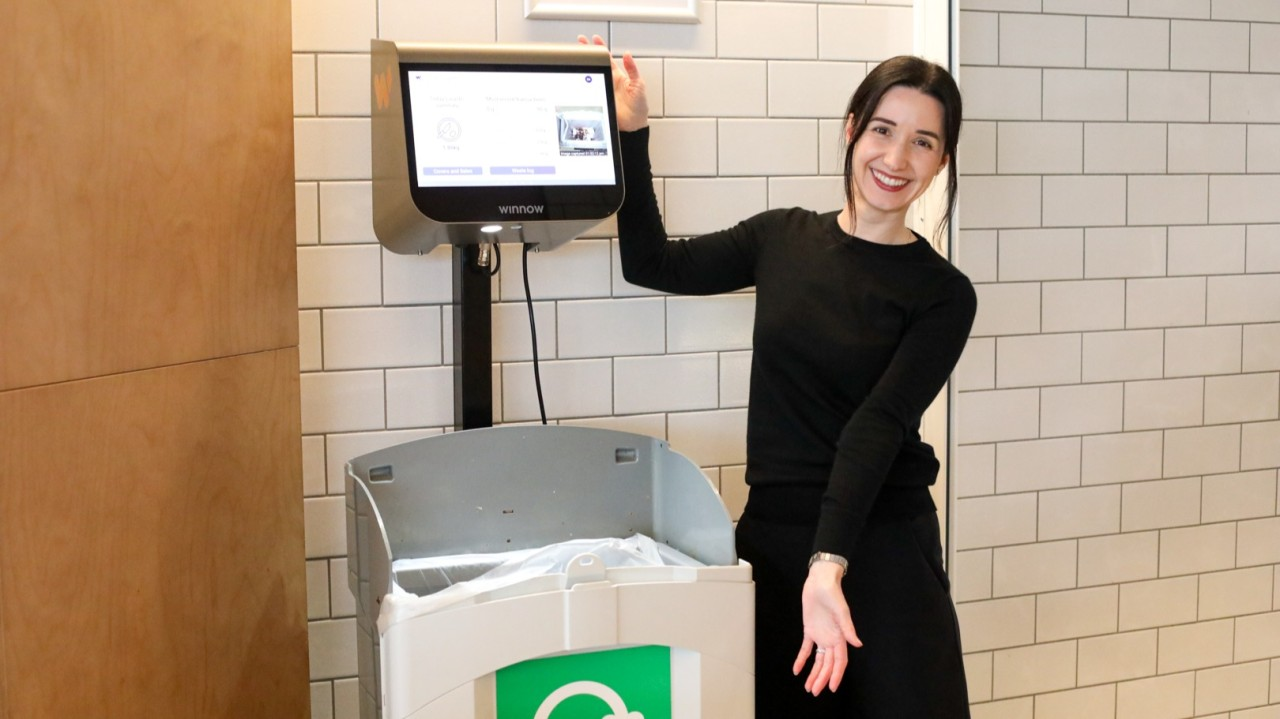
Earlier this year, Winnow machines were introduced at Sky’s Osterley and Watermark locations, providing chefs and kitchen teams real-time data to spot patterns, improve forecasting and make informed decisions.
The data revealed most waste wasn’t coming from food preparation or spoilage. It came from producing more than customers needed. Carbohydrates such as rice and porridge, along with items like fries, sauces, and salad bar ingredients, were often being prepared in larger quantities.
That knowledge created a new approach. Rather than producing food “just in case”, chefs began preparing smaller batches more frequently and closer to demand. High-volume dishes are now planned using detailed sales and waste data, helping teams fine-tune both portion sizes and production volumes with greater precision.
Practical changes include cooking fries in smaller quantities, reducing batch sizes for flour and panko coatings, preparing eggs to order during the final 30 minutes of breakfast service, and using quick-cook products, such as rice and porridge, that can be replenished throughout service.
Those changes are adding up. Since the introduction of the Winnow machines in February 2026, food waste in the Dining Room in Osterley, Sky’s largest catering operation, has fallen by 9%. Watermark and the Studios buildings have surpassed waste reduction targets, and we’re seeing consistent results with significant reductions across the other eight locations.
Powered by people
While Winnow supplies the data, it’s our kitchen teams who bring it to life.
Regular coaching sessions with the Winnow team help our chefs dig into the numbers, challenge the norm, and share ideas. Bread ends have now become croutons, cauliflower trimmings have a second lease of life in soups and dishes such as aloo gobi, while surplus sauces are frozen for future use.
Reducing food waste isn’t about driving numbers as low as possible at any cost. In hospitality, delighting the customer will always come first, so the focus is on reducing waste as far as reasonably possible while continuing to deliver a great dining experience.
By combining data with our chefs’ expertise, the team makes more informed decisions every day. This action has created a culture where everyone plays a role, from identifying opportunities for improvement to sharing ideas to reduce waste without compromising quality, choice or service.
Making reusables the new normal
Reducing food waste is only one part of the story.
The team is also taking big strides to reduce reliance on single-use packaging and embed more sustainable ways of working across Sky locations. Seven locations now operate with reusable crockery and service ware, eliminating an estimated 152,400 single-use takeaway items every year.
Beyond the clear environmental benefits, making reusables the norm reduces waste sent for disposal and supports a more circular approach to resource use.
The team’s commitment was evident at the Sky Family Day event, where they rented reusable cutlery instead of choosing disposable alternatives. The result was an event that continued to delight customers while avoiding unnecessary waste, proving that memorable experiences and sustainable choices can go hand in hand.
A new recipe for reducing waste
Our chefs are finding ways to make every ingredient count long before a dish reaches the plate.
New recipe guidelines are helping culinary teams think carefully about portion sizes, seasonality and ingredient use, ensuring sustainability is considered from the very start of menu development.
That thinking extends beyond the main menu. One of the team’s most successful initiatives has been the snack pot range, using vegetable trimmings and surplus ingredients that might otherwise go unused. This not only helps maximise ingredient utilisation, but also creates a popular offer for customers, proving that reducing waste and creating great food can go hand in hand.
For a taste of that thinking in action, try the team’s zero-waste coffee brownie, crafted with used coffee grounds that might otherwise have gone to waste.
Read more about how our teams are using the power of food to drive positive change.